
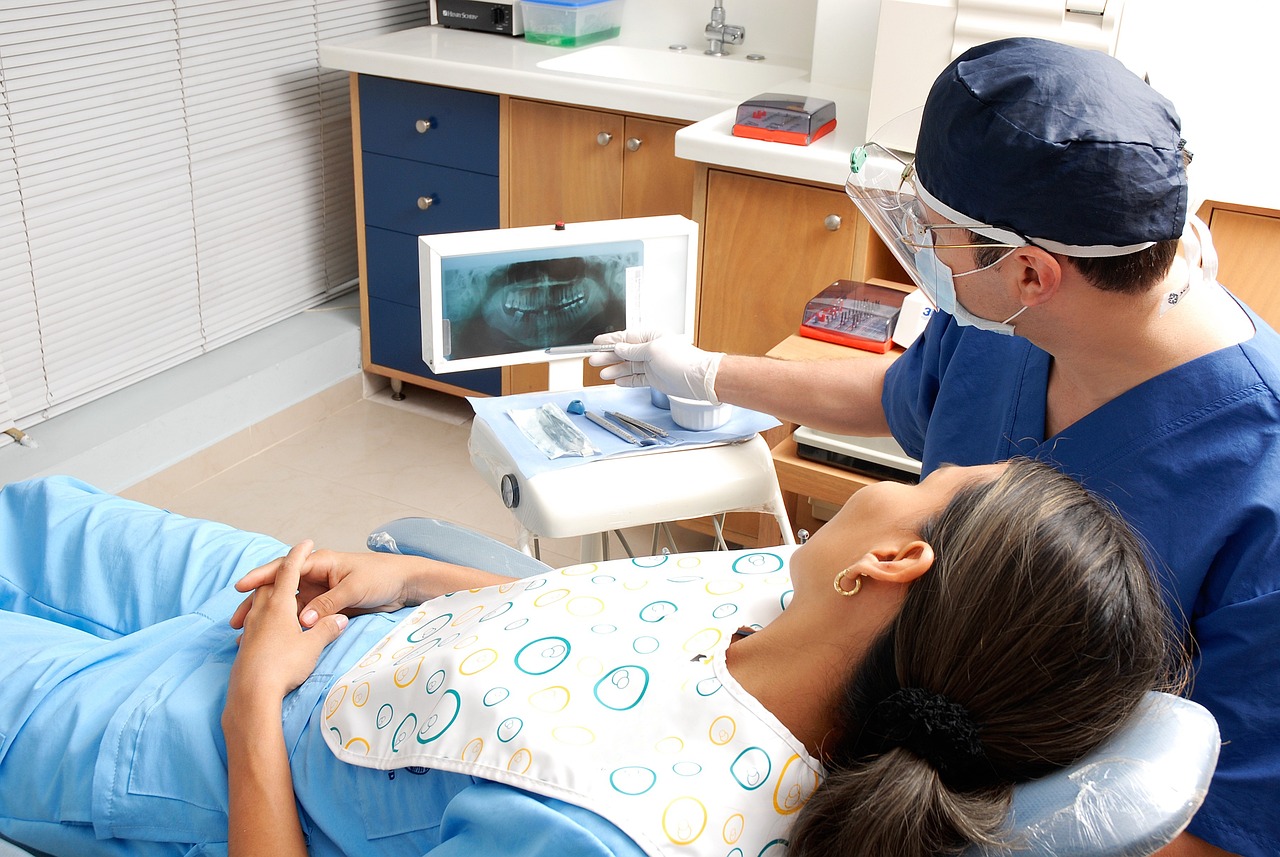
Quick Answer: Yes, many adults benefit from professional fluoride treatments, especially if they have dry mouth, receding gums, frequent cavities, older fillings or orthodontic appliances. Fluoride is not just for kids. Adult enamel and exposed root surfaces lose minerals every day, and a concentrated in-office varnish helps rebuild them. Your dentist can tell you at your next checkup whether your risk level makes it worthwhile.
Many patients at Main Street Family Dental ask a fair question: if fluoride is for children, why is it offered to grown-ups? The honest answer is that fluoride treatments for adults in Shelburne, ON can be a simple, low-cost way to prevent new decay, though not every adult needs them. Your mouth changes after childhood. Gums recede, medications dry things out, and fillings age. As a result, adults often develop cavities in different places than kids do, and fluoride still has a job to do.
Is Fluoride Really Just for Kids?
No. Fluoride protects teeth at every stage of adult life because it works on the tooth surface, not only on developing teeth. Each time you eat or drink sugars, bacteria produce acids that pull minerals out of enamel. Fluoride, however, helps put those minerals back and makes the surface more resistant to the next acid attack.
According to the Canadian Dental Association’s Fluoride FAQs, fluoride helps prevent tooth decay for people of all ages. In other words, the benefit does not switch off once you turn 18.
Furthermore, more Canadians are keeping their natural teeth for life. A systematic review update in the International Dental Journal noted that as more people retain their teeth into old age, they need ongoing care to maintain them. Consequently, prevention matters more now than it did a generation ago.
Which Adults Benefit Most From Fluoride Treatments?
Adults with a higher risk of decay get the most value from professional fluoride. If your teeth have stayed cavity-free for years and your gums are healthy, your toothpaste may be enough. On the other hand, several common situations raise your risk.
Exposed Roots and Receding Gums
Root surfaces have no enamel covering. Instead, they are covered by softer cementum, which decays faster. Gum recession is common after 40, so root cavities become a real concern. A fluoride varnish helps harden these vulnerable areas.
Dry Mouth From Medications
Saliva naturally rinses away food and neutralizes acid. Specifically, many blood pressure, allergy, anxiety and pain medications reduce saliva flow. With less saliva, decay can progress quickly, so extra fluoride becomes a sensible safeguard.
Fillings, Crowns and Orthodontic Appliances
Decay often starts at the edges of older restorations. Similarly, braces and clear aligners can trap plaque against the teeth. Adults in active orthodontic treatment, or those with several fillings or crowns, frequently benefit from a fluoride boost.
Sensitivity and Frequent Cavities
If you have had new cavities in the past few years, your risk is likely elevated. Additionally, fluoride can help reduce sensitivity on worn or exposed surfaces, which many adults find surprisingly helpful.
What Does the Research Say About Adult Fluoride Treatments?
The evidence supports professionally applied fluoride for higher-risk adults, particularly older patients. For example, a 2022 systematic review in the Journal of Dentistry assessed clinical trials of professionally applied fluoride therapy to prevent and arrest caries in adults aged 60 and older. That focus reflects a growing recognition that older adults face real decay risks, especially on root surfaces.
Still, research is not a reason to treat everyone the same way. Instead, your dentist weighs your history, saliva, gum health and diet. That personalized approach is the core of good preventive dentistry.
What Happens During an Adult Fluoride Treatment in Shelburne?
The treatment takes only a few minutes and is usually done right after your cleaning. First, your hygienist dries your teeth. Next, they paint a thin fluoride varnish onto the surfaces. The varnish sets quickly when it touches saliva, so there are no trays to hold and no unpleasant taste lingering for hours.
Afterward, you will usually be asked to avoid hot drinks, crunchy foods and brushing for a few hours. This gives the fluoride time to work. Most adults return to their normal day immediately.
You can read more about how we provide fluoride treatments at Main Street Family Dental, including who tends to benefit most.
How Often Should Adults Get Fluoride?
It depends on your risk level. Some adults benefit from a varnish at each cleaning, while others need it once a year or not at all. Therefore, the right schedule is a conversation, not a fixed rule. Meanwhile, daily fluoride toothpaste remains the foundation of good oral hygiene at home.
Shelburne residents should also know that their tap water may differ from other communities. Similarly, many families in Dufferin County rely on private wells. Your dentist can factor your water source into the recommendation.
Getting Fluoride Treatments for Adults at Our Shelburne Clinic
Main Street Family Dental has cared for Shelburne families since 1975. Over those decades, our team has watched patients grow from children into adults and grandparents. That long view shapes how we think about adult prevention. A few minutes of fluoride now can help you avoid a filling, or something bigger, later.
We welcome new patients, and we accept the Canadian Dental Care Plan (CDCP). Our team can help you understand what your plan covers before treatment.
Frequently Asked Questions
Is fluoride safe for adults?
Yes. Professionally applied fluoride varnish uses a small, controlled amount applied directly to the teeth. Dental organizations, including the Canadian Dental Association, support fluoride use for decay prevention.
Can fluoride reverse a cavity?
Fluoride can help remineralize very early weak spots in enamel before they become true cavities. However, once a cavity has formed a hole, it usually needs a filling.
Is my fluoride toothpaste enough?
For many low-risk adults, yes. If you have dry mouth, receding gums, recent cavities or braces, a professional treatment adds protection that toothpaste alone may not provide.
Does fluoride help with sensitive teeth?
Often, yes. Fluoride varnish can strengthen exposed surfaces and reduce sensitivity for some adults. Your dentist will also check for other causes, such as worn fillings or gum recession.
Book Your Visit
Not sure whether you need fluoride? Ask us at your next cleaning. We will look at your gums, your fillings and your history, then give you a clear recommendation. Contact Main Street Family Dental today to book an appointment in Shelburne.
Sources & References
- Canadian Dental Association: Fluoride FAQs
- Clinical evidence for professionally applied fluoride therapy to prevent and arrest dental caries in older adults: A systematic review (J Dent, 2022)
- Nonrestorative Caries Treatment: A Systematic Review Update (Int Dent J, 2022)