
Quick Answer
Research comparing digital scans vs dental molds in Shelburne, ON shows that intraoral scanning matches, and in many situations exceeds, the accuracy of traditional putty impressions for crowns, bridges, and aligners. Digital scanning also removes the gag-inducing trays that make many patients anxious, so appointments feel faster and far more comfortable.
Few dental memories stick like the cold tray full of putty pressed against your palate while you fight the urge to gag. For decades, that was simply how a dentist captured the shape of your teeth. Today, the conversation around digital scans vs dental molds in Shelburne, ON has shifted dramatically, because a small wand and a screen can now do the same job in a fraction of the time. At Main Street Family Dental, serving this community since 1975, modern imaging is part of how the team keeps care precise and, crucially, comfortable.
What Is the Difference Between Digital Scans and Dental Molds?
Digital scans capture your teeth with a handheld intraoral camera, building a 3D model on screen in real time. Traditional molds, by contrast, rely on soft impression material set in a tray, which later gets poured into a physical stone replica. Both methods aim for the same goal: an exact copy of your bite. However, the way they get there feels very different for the patient.
Conventional impressions can distort if the material shifts or sets unevenly. Furthermore, a flawed mold often means repeating the whole uncomfortable process. A digital scan, on the other hand, lets the dentist spot gaps instantly and re-scan a single area in seconds.
Why Patients Find Digital Scanning More Comfortable
Comfort is the headline benefit for anxious patients. Specifically, there is no bulky tray, no setting time, and no sensation of material creeping toward the throat. Instead, you simply sit while the wand glides across your teeth. Consequently, people who once dreaded impressions often describe scanning as surprisingly easy. For nervous patients, this matters as much as clinical precision.
Are Digital Scans More Accurate Than Traditional Molds?
Yes, the published evidence consistently supports digital accuracy for many common procedures. A systematic review in Cureus (2024) comparing digital and conventional impressions in prosthodontics highlighted advantages of digital methods, including three-dimensional previsualization, reduced chair time, and cost-effectiveness. Additionally, a systematic review of intraoral scanner accuracy found that these devices have become a reliable alternative to conventional impressions, while identifying the clinical factors that influence their precision.
Accuracy still depends on technique and the type of case. For instance, a 2025 systematic review and meta-analysis in the Journal of Dentistry examined digital versus conventional implant impressions in partially dentate patients, focusing on three-dimensional deviations and scan-body fit. Therefore, your dentist chooses the best method for your specific restoration rather than assuming one tool always wins.
Where Precise Impressions Matter Most
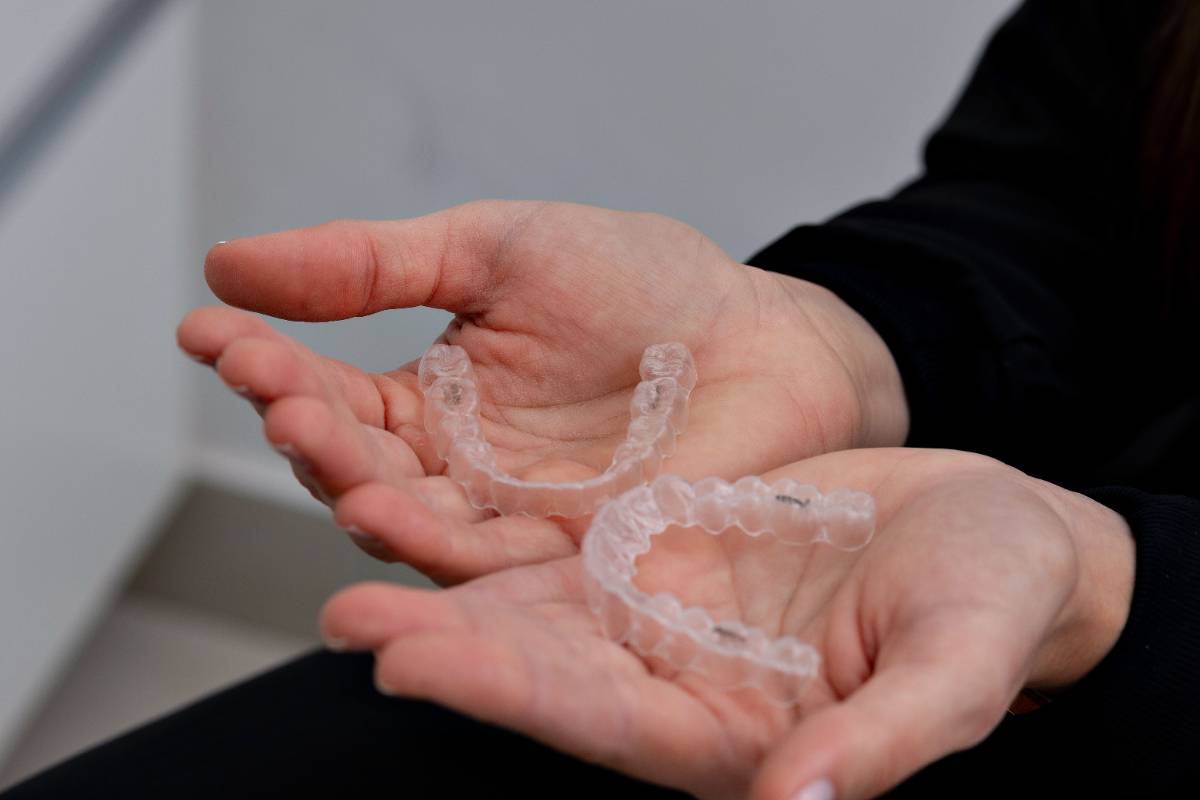
Accurate impressions underpin a huge range of restorative and cosmetic work. Crowns and bridges, for example, must seat perfectly to protect the tooth and your bite. Likewise, well-fitting clear aligners depend on an exact starting model to move teeth predictably. Inlays, onlays, night guards, and retainers all benefit from the same precision. According to the Ontario Dental Association, these common procedures rely on faithful reproductions of your teeth to succeed.
How Does Better Imaging Reduce Dental Anxiety?
Modern technology quietly lowers the stress of a dental visit in several ways. First, shorter appointments mean less time in the chair. Second, instant on-screen images let you see exactly what the dentist sees, which builds trust and reduces fear of the unknown. Moreover, fewer retakes means fewer uncomfortable moments overall.
For patients who still feel uneasy, Main Street Family Dental pairs comfortable imaging with options for relaxation. The practice offers sedation dentistry for those who need extra support during longer treatments. As a result, even complex restorative visits can stay calm and manageable.
Does Your Dentist Still Use Molds Sometimes?
Occasionally, yes. Certain cases and materials still call for traditional impressions, and research in denture fabrication, such as a 2025 BMC Oral Health study on 3D-printed and injection-molded denture bases, continues comparing both workflows. However, the overall direction is clear. The Canadian Dental Association notes that digital imaging is now a routine part of modern dental care. Consequently, the question is less about replacing molds entirely and more about choosing the right approach for each patient.
Frequently Asked Questions
Do digital scans hurt?
No, digital scanning is painless. The wand simply photographs your teeth, so there is no pressure, putty, or gagging sensation involved.
Are digital scans accurate enough for crowns and aligners?
Yes. Systematic reviews report that intraoral scanning rivals or exceeds conventional molds for many restorations, including crowns, bridges, and aligner planning.
Is digital scanning faster than traditional molds?
Generally, yes. Scanning eliminates setting time and reduces retakes, so appointments often feel noticeably shorter and smoother.
Can anxious patients still get sedation during these visits?
Absolutely. Comfortable imaging reduces stress, and additional relaxation options remain available for patients who prefer extra support.
Book Your Visit in Shelburne
Modern imaging makes precise, comfortable dentistry achievable for patients of every age. If you are weighing digital scans vs dental molds for an upcoming crown, aligner, or restoration, the team would be glad to walk you through your options. Contact Main Street Family Dental in Shelburne, ON to schedule your appointment today.
Sources & References
- Canadian Dental Association, Dental Care FAQs
- Ontario Dental Association, Common Dental Procedures
- Digital Impressions Versus Conventional Impressions in Prosthodontics: A Systematic Review (Cureus, 2024)
- Accuracy of Intraoral Scanners: A Systematic Review of Influencing Factors (2018)
- Accuracy of digital versus conventional implant impressions in partially dentate patients (J Dent, 2025)