
Quick Answer: A filling is soft material that your dentist shapes inside a small cavity and hardens in one visit. An inlay or onlay is a solid piece made outside the mouth to fit the tooth, then bonded into place. It suits a tooth with damage that is too large for a filling but still has enough healthy structure to avoid a full crown.
You may have heard your dentist say a tooth needs “more than a filling but less than a crown.” That middle ground is where the inlay or onlay vs filling question comes up. At Main Street Family Dental in Shelburne, ON, patients ask about it all the time, usually right after an exam shows a large cavity, a cracked cusp or an old filling that has started to fail. This article explains how each option works and how our dental team decides which one fits your tooth.
Inlay or Onlay vs Filling: The Core Difference
The main difference is where the restoration is made. A filling is built directly in your mouth. By contrast, an inlay or onlay is made outside the mouth as a single solid piece, then bonded to the tooth.
With a filling, your dentist removes the decay and packs tooth-coloured composite into the space. Next, a curing light hardens it within seconds. This works very well for small and moderate cavities. However, composite placed in a large space has to be built up in layers. As a result, it can be harder to shape a strong biting surface and tight contacts with neighbouring teeth.
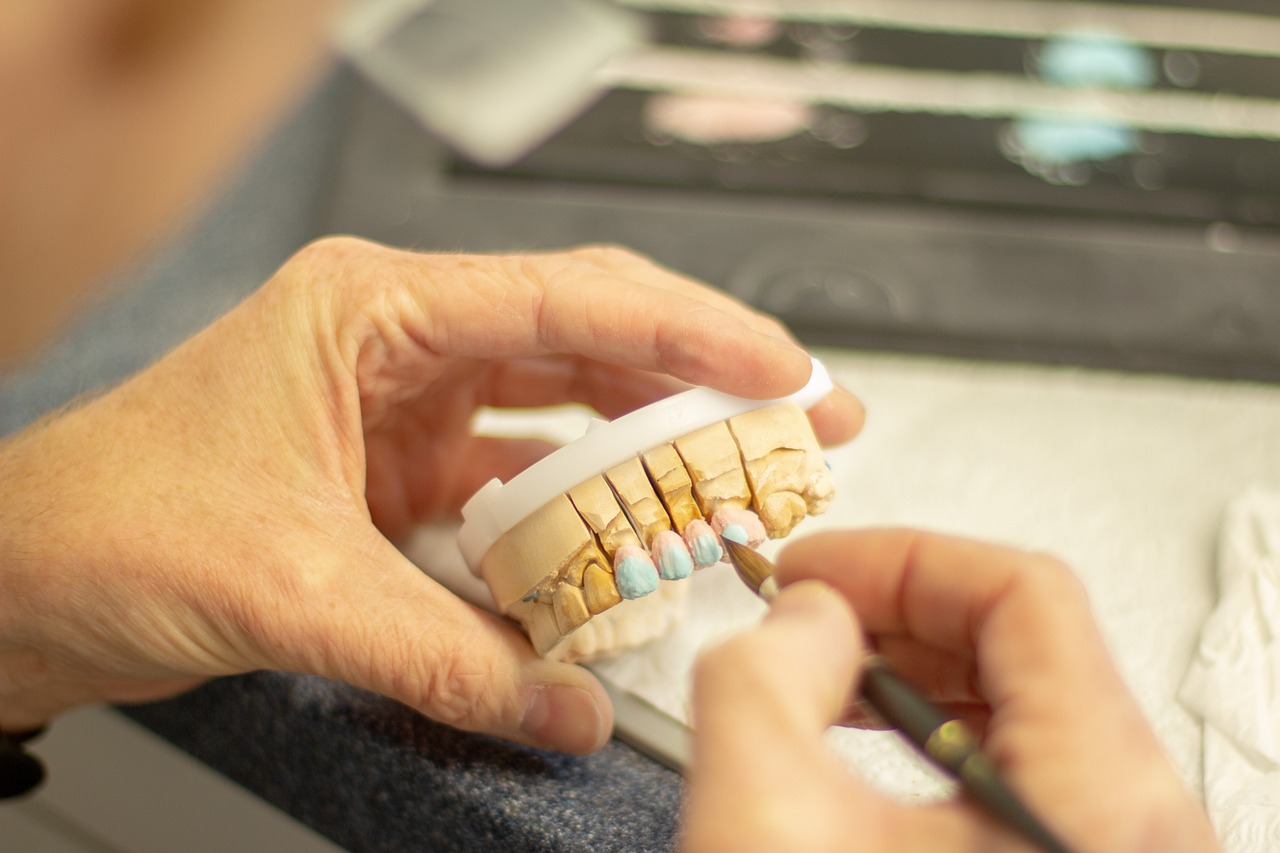
An inlay or onlay, on the other hand, starts with an impression or digital scan of the prepared tooth. The restoration is then fabricated from a durable material, often ceramic, and cemented in place. Because it arrives as one precise piece, it can restore larger areas with excellent fit and form.
What Makes an Inlay Different From an Onlay?
The two differ only in how much of the tooth they cover. An inlay sits within the grooves between the cusps, the raised points on top of a back tooth. An onlay extends over one or more of those cusps. In other words, an onlay is chosen when a cusp is weak, cracked or already broken.
The Ontario Dental Association’s overview of common dental procedures is a helpful plain-language reference if you want to compare these treatments with fillings and crowns.
When Do You Need an Inlay or Onlay Instead of a Filling?
You usually need an inlay or onlay when the damaged area is too large for a filling to stay strong over time. Size matters, but so does location. Specifically, our dentists look at several factors during your exam.
- The cavity or old filling covers a wide portion of the chewing surface.
- One or more cusps are thin, cracked or missing.
- A large existing filling is leaking, chipped or wearing down.
- The tooth is a molar or premolar that takes heavy biting force.
Cracks deserve special mention. A 2022 narrative review of the treatment of cracked teeth notes that these teeth are common and often linked to symptoms. The review also points out that there is still no single consensus on how to restore them. For that reason, your dentist will assess each cracked tooth individually rather than following a one-size rule.
Why Not Just Get a Crown?
A crown covers the whole visible tooth. Consequently, it requires more reshaping of healthy enamel. If much of your tooth is still sound, an inlay or onlay lets us keep that natural structure. Furthermore, research supports this conservative approach. A review in the Journal of Dental Research on CAD/CAM ceramic restorative materials describes a shift toward minimally invasive, bonded restorations, citing the long-term clinical success of bonded glass-ceramic work.
That said, a crown is still the better choice for some teeth. When very little tooth remains, a crown offers more protection. Our inlays and onlays page explains the options we offer in more detail.
What About Teeth That Have Had a Root Canal?
An onlay can sometimes restore a back tooth after root canal treatment, but it depends on how much tooth is left. A 2021 review in the International Endodontic Journal on the restoration of root filled teeth lists the factors that influence the choice. These include the remaining tooth volume, the tooth’s location, the number of contacts with neighbouring teeth and the presence of cracks. Therefore, your dentist will weigh all of these before recommending an onlay or a crown.
How the Inlay or Onlay Process Compares to a Filling Visit
A filling is typically finished in one appointment. An inlay or onlay, however, usually involves two steps. First, your dentist removes decay or the old filling, shapes the tooth and records its form. You leave with a temporary restoration. Then, at the second visit, the dentist checks the final piece for fit and bite before bonding it in place.
Both treatments use local anesthetic, so most patients feel pressure rather than pain. Additionally, patients who feel anxious about dental work can ask our Shelburne team about comfort options before the appointment.
Cost and Longevity
An inlay or onlay generally costs more than a filling because of the extra fabrication step. On the other hand, it often lasts longer in a large restoration, and it costs less tooth structure than a crown. Main Street Family Dental also accepts the Canadian Dental Care Plan (CDCP), so eligible patients can ask our front desk how coverage applies to their treatment.
Choosing the Right Restoration in Shelburne, ON
The honest answer is that no single option is always best. Instead, the right choice comes from a careful exam and, when needed, X-rays that show the full extent of the damage. Since 1975, Main Street Family Dental has helped Shelburne families make these decisions with clear explanations and no pressure. Our 4.9 out of 5 Google rating from 772 reviews reflects that approach.
If you have a large filling that feels rough, a tooth that hurts when you bite or a chipped back tooth, now is a good time to have it checked. Small problems are easier to fix with conservative treatment.
Frequently Asked Questions
Is an inlay stronger than a filling?
For large cavities, yes, an inlay is usually more durable. It is made as one solid piece outside the mouth, so it holds up better under heavy chewing. For small cavities, however, a filling is perfectly strong and more practical.
Do inlays and onlays look natural?
Yes. Ceramic and tooth-coloured materials can closely match your natural enamel. As a result, most people will not notice the restoration when you smile or talk.
Can an old filling be replaced with an onlay?
Often, yes. When a large filling fails or a cusp around it cracks, an onlay is a common replacement. Your dentist will confirm whether enough healthy tooth remains.
Does Main Street Family Dental accept new patients for inlays and onlays?
Yes. The clinic welcomes new patients, walk-ins and dental emergencies in Shelburne, and it participates in the Canadian Dental Care Plan.
Book Your Visit
Not sure whether your tooth needs a filling, an inlay or an onlay? Our dental team will examine it, explain your options plainly and help you choose with confidence. Contact Main Street Family Dental to book an appointment in Shelburne today.
Sources & References
- Ontario Dental Association: Common Dental Procedures
- Treatment of cracked teeth: A comprehensive narrative review (Clin Exp Dent Res, 2022)
- CAD/CAM Ceramic Restorative Materials for Natural Teeth (J Dent Res, 2018)
- The restoration of root filled teeth: a review of the clinical literature (Int Endod J, 2021)