
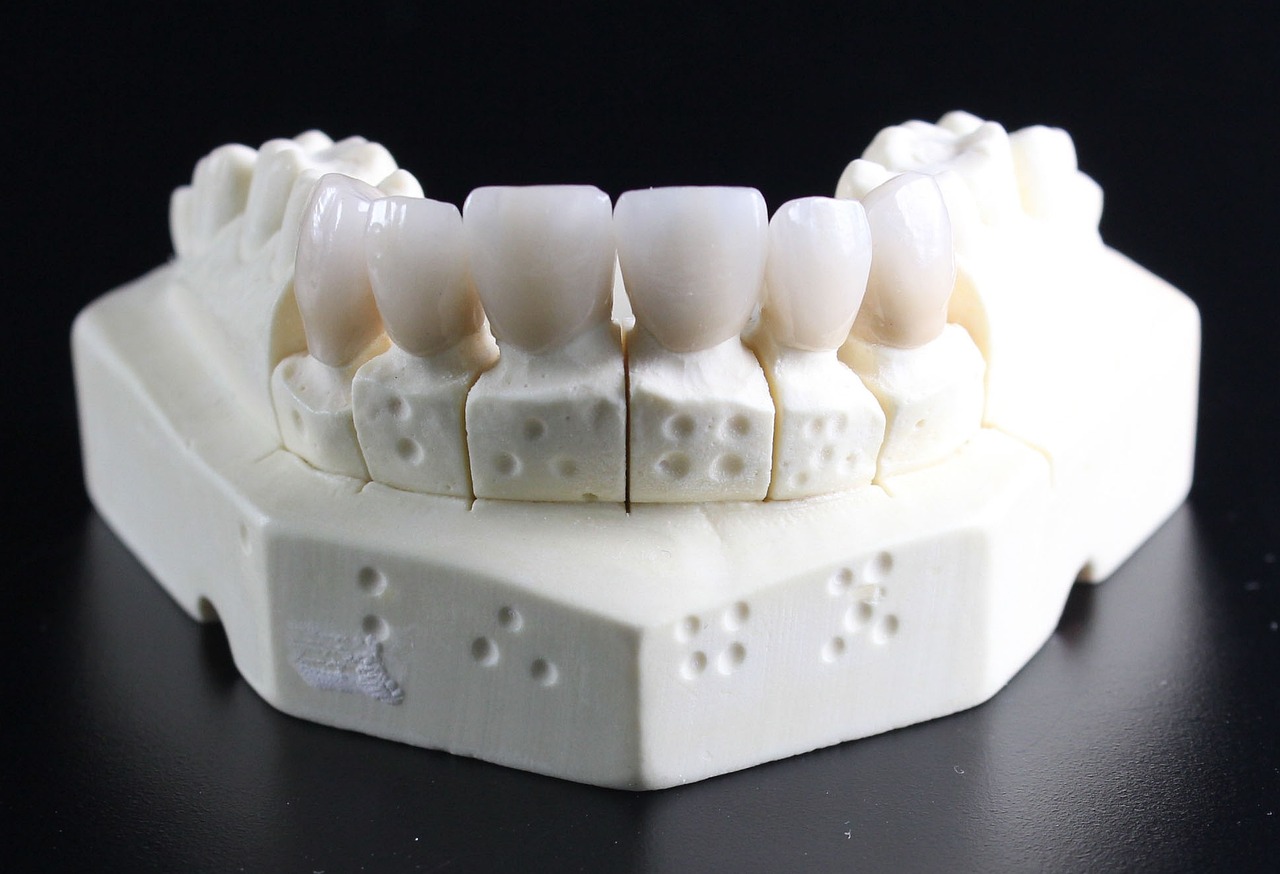
Many people put off treating a cavity because they worry about what the repair will look like, not because they fear the chair. A dark spot on a front tooth, or a flash of metal when you laugh, can make you smile with your mouth closed in photos. Tooth-coloured fillings in Shelburne answer that concern directly. At Main Street Family Dental, which has cared for this community since 1975, the aim is simple: remove the decay, keep the healthy tooth, and leave a result nobody else notices.
How Do Tooth-Coloured Fillings Protect Your Confidence?
The short answer is that they treat the damage without drawing attention to it. A well-placed composite filling is shaded and shaped to match the enamel around it. As a result, the tooth looks whole again rather than “fixed.”
That matters more than people admit. A chipped edge or a visible cavity can change how you speak, laugh and hold your face. Once the repair blends in, most patients simply stop thinking about the tooth. That small mental shift is often the real benefit.
According to the Canadian Dental Association, fillings restore teeth damaged by decay so they can work normally again. In other words, a filling restores function first. However, with modern materials, function and appearance no longer have to compete.
Why Conservative Dentistry Matters for Fillings in Shelburne
Conservative care means removing only what is damaged. Healthy enamel and dentin cannot grow back, so every millimetre your dentist saves is worth protecting.
Bonding to the tooth, not just filling a hole
Older techniques often required extra shaping so the filling could lock mechanically into the tooth. Adhesive dentistry has changed that. A 2023 review in the Journal of Dental Research describes major advances in dental adhesives, including functional monomers that allow a chemical reaction with tooth structure. Consequently, a smaller, more precise preparation is often possible.
Materials built for natural-looking results
Resin composites are no longer a single product. A review in Dental Materials notes that the state of the art now includes a wide variety of composite materials with different formulations and properties. Specifically, this range gives dentists more ways to match translucency and shade, whether the tooth sits at the front or the back of your mouth.
What Happens During a Tooth-Coloured Filling Appointment?
Most visits follow a clear, predictable pattern. First, your dentist examines the tooth and may use digital X-rays to see how far the decay reaches. Next, the area is numbed so you stay comfortable.
The dentist then removes the decayed portion and prepares the surface for bonding. After that, the composite goes in thin layers. Each layer is hardened with a curing light before the next one follows. Finally, the filling is shaped, checked against your bite and polished to a natural sheen.
The layering is where precision shows. A careful dentist sculpts small grooves and contours so the tooth catches light the way a natural tooth would. That detail is what makes a filling disappear.
Will Your Filling Last and Keep Looking Good?
Yes, a composite filling can serve you well for years, although longevity depends on more than the material. A 2023 review in Dental Materials, titled “Longevity of composite restorations is definitely not only about materials”, examined long-term clinical studies and looked at the many factors that influence how long these restorations last.
In practical terms, your own habits play a big part. For example, clenching or grinding at night puts heavy stress on any restoration. If that applies to you, your dentist may suggest a night guard. Likewise, regular cleanings help keep the edges of a filling smooth and free of stain.
When a Filling Is Not the Best Choice
Sometimes the damage is too large for a direct filling to hold up well. In those cases, honest advice protects both the tooth and the look of your smile.
For instance, a large cavity on a back tooth may do better with an inlay or onlay, which is made to fit precisely and still preserves more tooth than a full crown. On the other hand, a front tooth with a small chip but no decay might suit cosmetic bonding instead. If decay has reached the nerve, root canal therapy may come first. Your dentist will walk you through these options before anything begins. You can also read more on the clinic’s fillings service page.
Getting Fillings in Shelburne at Main Street Family Dental
Main Street Family Dental welcomes new patients, walk-ins and dental emergencies, so a sudden toothache does not have to wait weeks. Furthermore, the practice accepts the Canadian Dental Care Plan (CDCP), which can make restorative care more affordable for eligible patients. With a 4.9 out of 5 Google rating from 772 reviews, the team has earned the trust of families across Dufferin County.
Above all, the approach is personal. Your dentist will explain what they see, show you your X-rays, and talk through the options in plain language.
Frequently Asked Questions
Do tooth-coloured fillings look natural?
Yes. Composite fillings are shade-matched and polished to blend with your surrounding enamel. In most cases, other people cannot tell the tooth has been repaired.
Can tooth-coloured fillings be used on back teeth?
Often, yes. Modern composites come in many formulations, and your dentist will decide whether one suits the size and bite forces of a back tooth. For larger damage, an inlay or onlay may be the better choice.
Does a filling remove a lot of healthy tooth?
Not usually. Because composite bonds to the tooth, your dentist can focus on removing the decay and preserve as much healthy structure as possible.
Does the Canadian Dental Care Plan cover fillings?
Main Street Family Dental accepts the CDCP. Coverage depends on your eligibility and plan details, so the front desk team can help you check what applies to you.
Book Your Visit
If a cavity or an old, worn filling is making you hide your smile, it is a good time to have it looked at. Contact the team at Main Street Family Dental in Shelburne to book an appointment and talk through a precise, natural-looking repair.
Sources & References
- Canadian Dental Association: Fillings
- Progress in Dental Adhesive Materials (J Dent Res, 2023)
- Resin composite: state of the art (Dent Mater, 2011)
- Longevity of composite restorations is definitely not only about materials (Dent Mater, 2023)