
Quick Answer: If a tooth still has enough healthy structure and good bone support, and any crack stops above the gum line, a root canal can usually save it. That often makes it the better long-term choice. Extraction makes more sense when a tooth is split, too broken down to restore or held by too little bone. At Main Street Family Dental in Shelburne, ON, our dentists use a clinical exam and digital X-rays to show you which group your tooth falls into.
Being told a tooth needs either a root canal or extraction can feel like being handed a decision with no instructions. Both procedures stop the pain. Both remove the infection. However, they leave you in very different places afterward. One keeps your natural tooth. The other leaves a gap that you will usually want to fill. This guide explains how dentists weigh the choice between a root canal and an extraction in Shelburne, ON, so you can come to your appointment with clear questions.
What Is the Difference Between a Root Canal and an Extraction?
A root canal saves the tooth by treating its inside. An extraction removes the whole tooth. That is the core difference, and everything else follows from it.
According to the Canadian Dental Association, root canal treatment removes infected or damaged pulp from inside the tooth. The dentist then cleans, shapes and seals the canals. The outer tooth stays in place, so your bite, root and surrounding bone stay intact. Afterward, most back teeth need a crown to protect them.
An extraction, by contrast, removes the tooth and its root from the socket. The Canadian Dental Association’s guide to oral surgery and tooth extraction explains that dentists remove teeth for reasons such as severe decay, advanced gum disease, crowding or damage that cannot be repaired. The infection source leaves with the tooth. Consequently, the remaining question is what goes in the space.
When a Root Canal Is the Better Choice
A root canal is usually the better option when the problem sits inside the tooth and the outside is still sound. A Cochrane systematic review in 2022 noted that the main reasons for root canal treatment are irreversible pulpitis and pulp death caused by decay, a crack or fracture, or trauma. In other words, these are exactly the situations where the nerve is lost but the tooth itself may not be.
Specifically, our team leans toward saving the tooth when:
- Enough healthy tooth remains above the gum to support a crown.
- The surrounding bone and gums are healthy, with no severe looseness.
- Any crack stays in the crown of the tooth and does not run down the root.
- The tooth plays a key role in chewing or holds a bridge in place.
Keeping your own root also preserves the jawbone around it. Your natural tooth carries a ligament that cushions biting forces, and no replacement fully copies that. Furthermore, a saved tooth keeps neighbouring teeth from drifting into a gap. If a treated tooth develops trouble again years later, options such as retreatment or an apicoectomy may still save it.
When Extraction Makes More Sense
Extraction is the better choice when the tooth cannot be restored to a stable, healthy condition. Saving a tooth only helps if it can last.
For example, a vertical crack that splits the root usually cannot be sealed. Similarly, decay that runs well below the gum line can leave too little structure to hold a crown. Advanced periodontal disease is another common reason, because a tooth with little bone support may stay loose even after a perfect root canal. In these cases, a root canal would mostly delay an extraction rather than prevent it.
Cost and timing matter too. Some patients choose extraction for a tooth at the very back of the mouth that does little chewing work. That is a reasonable decision, provided you understand the trade-offs before the tooth comes out.
Comparing a Root Canal or Extraction: Cost, Time and Comfort
The fairest comparison looks at the full picture, not just the first appointment. Here is how the two paths usually differ.
| Factor | Root canal + crown | Extraction + replacement |
|---|---|---|
| Keeps natural tooth | Yes | No |
| Number of visits | Typically two to three | One for removal, more for replacement |
| Effect on jawbone | Bone preserved | Bone may shrink without replacement |
| Up-front cost | Moderate | Lower for removal alone |
| Long-term cost | Often lower overall | Higher if replaced with an implant or bridge |
Up-front cost versus lifetime cost
An extraction on its own usually costs less on the day. However, a missing tooth rarely stays a one-time expense. Replacing it with a dental implant, bridge or partial denture often costs more than a root canal and crown combined. Additionally, skipping replacement can let teeth shift, which may create bite problems later.
Recovery time
Most people return to normal routines the day after a root canal, with mild tenderness for a few days. Extraction sites, meanwhile, need roughly one to two weeks for the gum to close. Full bone healing takes longer, especially before an implant.
Comfort during treatment
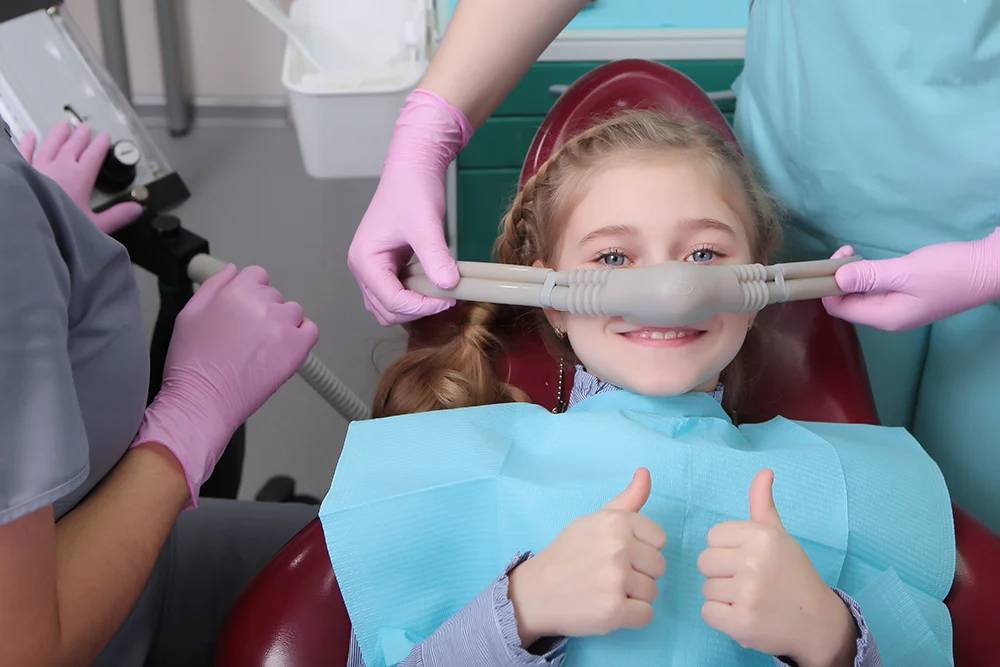
Both procedures use local anaesthetic, so you should feel pressure rather than pain. For anxious patients, our office also offers nitrous oxide, oral sedation and IV sedation. As a result, fear of the chair does not have to decide which treatment you choose.
What Happens After an Extraction?
After an extraction, the next step is usually planning a replacement. Main Street Family Dental offers several options under one roof, which keeps the process simpler for Shelburne families.
A dental implant replaces the root and supports a crown, so it behaves most like a natural tooth. If the bone has thinned, bone grafting can rebuild support first. Alternatively, a bridge anchors a false tooth to the teeth on either side. For patients missing several teeth, dentures or implant-supported dentures restore chewing across a wider area. We discuss these choices before any tooth comes out, so you know the full plan from the start.
How Our Shelburne Dentists Help You Choose Between a Root Canal or Extraction
The decision starts with information, not pressure. At your visit, we examine the tooth, test the nerve and gums, and take digital X-rays to see the roots and bone. Then we explain what we see in plain language, often showing you the images on screen.
Main Street Family Dental has cared for Shelburne since 1975. Over that time, our team has learned that patients want honest odds, not a sales pitch. Therefore, we tell you how likely a tooth is to last after root canal therapy and what extraction would mean for your bite. We also accept the Canadian Dental Care Plan (CDCP), and we can help you understand what your coverage may include. Walk-ins and dental emergencies are welcome, which matters when a toothache will not wait.
Frequently Asked Questions
Is a root canal more painful than an extraction?
No, not usually. Both procedures use local anaesthetic, and most patients describe a root canal as similar to having a deep filling. Soreness afterward is often milder than after an extraction, because there is no open socket to heal.
Can I just take antibiotics instead?
Antibiotics may calm swelling for a short time. However, they cannot clean out dead or infected pulp inside the tooth. Without a root canal or extraction, the infection typically returns.
How long does a root canal tooth last?
With a well-fitted crown and good oral hygiene, a treated tooth can often last for many years, and sometimes for life. Regular checkups help us catch problems early.
What if I wait to decide?
Waiting lets decay and infection spread. Consequently, a tooth that could be saved today may need extraction later. If you have pain or swelling, book an assessment promptly.
Book Your Assessment in Shelburne
You do not have to make this choice alone or in a hurry. Our dentists will look at your tooth, explain each option and help you pick the one that fits your health, budget and goals. Contact Main Street Family Dental today to book a visit at our Shelburne office, or walk in if you are in pain.
Sources & References
- Canadian Dental Association: Root Canal Treatment
- Canadian Dental Association: Oral Surgery and Tooth Extraction
- Single versus multiple visits for endodontic treatment of permanent teeth (Cochrane Database of Systematic Reviews, 2022)